
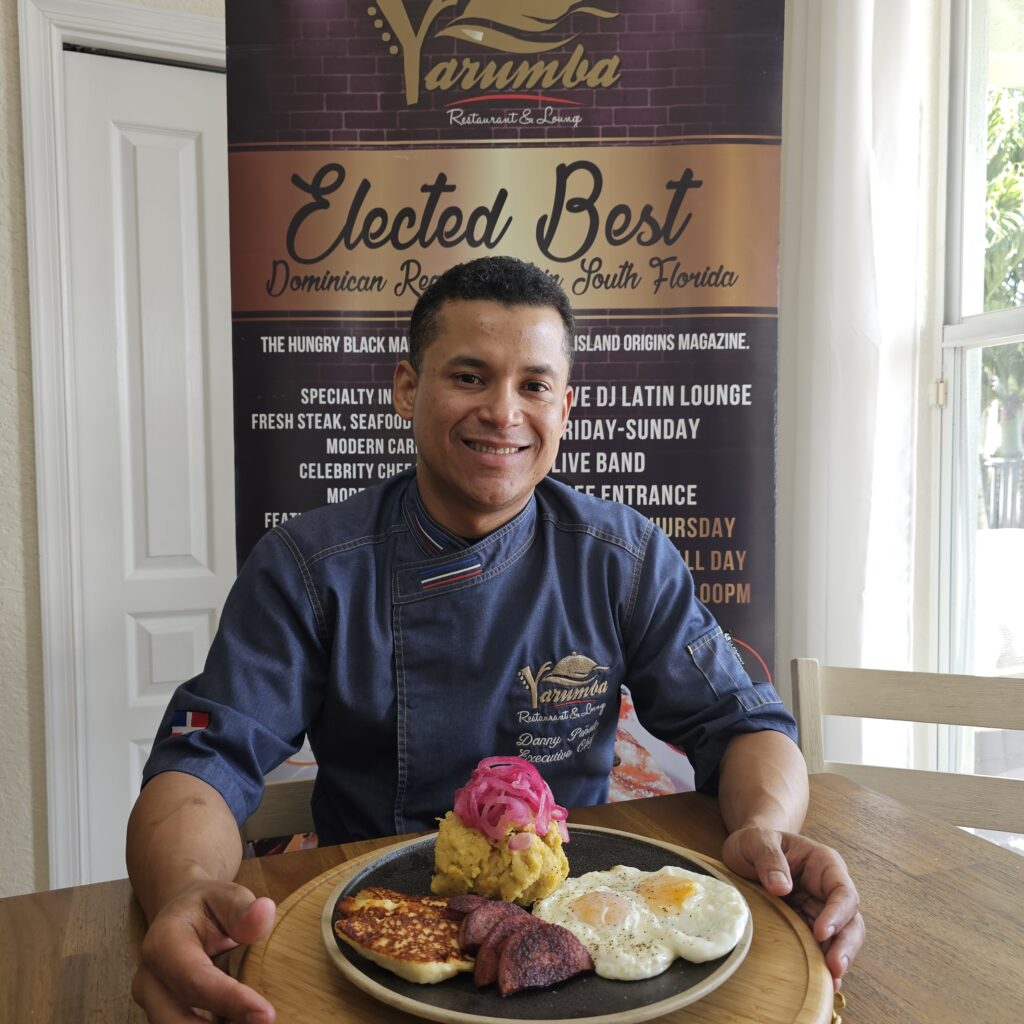
The Dominican Chef Danny Peñalo, Executive Chef at Yarumba Dominican Restaurant in Miami, often says that to understand Dominican food, you need to understand Dominican history. Dominican cuisine is not just about flavor — it’s about culture, survival, and the fusion of diverse influences that shaped the identity of an entire nation.
As the Dominican Republic celebrates its independence, Chef Danny reflects on the origins of the country’s gastronomy — from the Taino people to the arrival of the Spanish, African heritage, Middle Eastern immigration, and even Chinese influence. The story of Dominican food is the story of its people.
Indigenous Taino Contributions
The culinary journey begins with the Taino, the island’s original inhabitants. These indigenous people descended from Arawak tribes of northern South America and arrived in Hispaniola by canoe as early as the 5th century B.C.
They introduced native ingredients and techniques still used today, including:
- Yuca (cassava) – used to make casabe, a flatbread that remains a staple in Dominican homes.
- Catibía – yuca empanadas, one of the most complex and traditional dishes from Taino roots.
- Barabicoa – the precursor to barbecue, cooking over a wood frame grill.
These ancestral methods are part of what Chef Danny Peñalo considers the “spiritual foundation” of Dominican cuisine.
The Spanish Influence: 329 Years of Cultural Shaping
From 1492 to 1821, the island was a Spanish colony, and with the colonizers came dramatic culinary change. Spain introduced a wide variety of ingredients and cooking structures that today define much of Dominican food.
According to Chef Danny Peñalo, key Spanish contributions include:
- Garlic, onions, tomatoes, and sofrito as a base for stews.
- Rice, lentils, and bread.
- Farm animals like chickens, pigs, and cows.
- Plantains, olives, and various herbs.
Most importantly, the Spanish brought a philosophy of building homes, planting seeds, and recreating Mediterranean foodways — which is why many Dominican dishes are essentially tropical interpretations of Spanish comfort food.
African Contributions: Resistance, Resourcefulness, and Flavor
Beginning in the 1500s, enslaved Africans were brought to the island, and with them came a powerful influence on food that persists to this day. Despite oppressive conditions, African communities preserved culinary traditions through adaptation and creativity.
The African legacy in Dominican cuisine includes:
- Double-fried plantains (tostones)
- Mashing boiled root vegetables into mangú
- Cooking with plantain leaves — as in pasteles en hoja
- Organ meats and frituras (street food snacks)
- Okra (molondrón), pigeon peas, and sweet cane-based desserts
Chef Danny Peñalo sees this as a reflection of Dominican resilience: “African cooking taught us how to do more with less — to build flavor, community, and identity with limited resources.”
Middle Eastern Influence: A Taste of Lebanon
Between the late 1800s and mid-1900s, immigrants from the Middle East, especially Lebanon, arrived in the Dominican Republic. Their culinary contributions have since become Dominican favorites:
- Kipe – bulgur wheat croquettes filled with meat
- Niño envuelto – stuffed cabbage rolls
- Tipile – parsley salad with tomato and bulgur
Many of these dishes have been “Dominicanized” over time, incorporating local spices and cooking methods.
The Cocolo Legacy: Caribbean Cousins
In the early 20th century, Afro-Caribbean migrants from English-speaking islands — known as cocolos — brought with them wheat-based recipes and coastal cooking styles. Their contributions include:
- Yaniqueques – fried wheat flour cakes, also called johnnycakes
- Dumplings – boiled or fried wheat-based dough balls
- Use of coconut milk and oil in rice and seafood dishes
Chef Danny Peñalo often includes these influences in his special events menus, particularly when highlighting Afro-Caribbean roots in Dominican cuisine.
Chinese Influence: Rice, Fusion, and Fast Food
Chinese immigrants arrived in the Dominican Republic at the end of the 19th century. Their impact on urban food culture is still visible today, especially in dishes like:
- Pica pollo – Dominican-style fried chicken inspired by Chinese techniques
- Chow fan – Dominican-Chinese fried rice, adapted with local ingredients
These dishes have been fully embraced by the population and are now part of everyday street food offerings.
Chef Danny Peñalo’s Mission
For Chef Danny Peñalo, understanding these influences is essential to creating meaningful food. At Yarumba, every dish tells a story — one that spans centuries, continents, and cultures. His goal is to honor that legacy while giving it new life in a modern Dominican-American context.
The 10 Most Iconic Dominican Dishes, According to Chef Danny Peñalo and Adanelly Pérez de Hayes
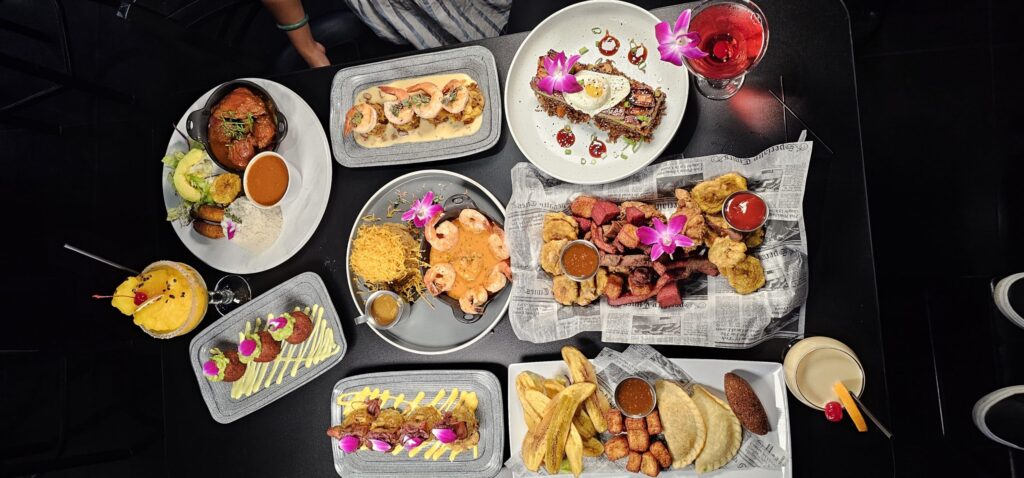
After exploring the cultural roots of Dominican cuisine, Chef Danny Peñalo and culinary researcher Adanelly Pérez de Hayes share their curated list of the top 10 dishes that best represent the Dominican Republic’s rich gastronomic identity. Each of these meals tells a story — shaped by history, family tradition, and regional flavor — and continues to hold a special place on Dominican tables worldwide.
-
La Bandera Dominicana (The Dominican Flag)
The most iconic daily meal in the country: white rice, red beans, and stewed meat (often chicken or beef), accompanied by avocado, fried sweet plantains, and salad. Named after the national flag, this dish symbolizes Dominican pride and everyday sustenance. Chef Danny Peñalo calls it “the soul of the Dominican kitchen.”
-
Sancocho
A hearty stew and national favorite, sancocho is made with a mix of meats (sometimes up to seven), and a variety of root vegetables like yuca, malanga, and plantains. There are also regional versions such as red bean sancocho, popular in the northern part of the country. The version served at Yarumba Dominican Restaurant is one of Chef Danny’s signature dishes.
-
Chivo Guisado (Goat Stew)
Also known as chivo liniero, this dish originates from Montecristi, where the local goats feed on wild oregano — infusing the meat with distinctive flavor. After proper cleaning, the goat is stewed with rich Dominican spices. It’s best served with yuca, rice, or fried plantains.
-
Catibía (Yuca Empanadas)
This dish is a direct legacy of the indigenous Taíno people. Made from grated yuca dough and filled with meat or seafood, catibía is labor-intensive but cherished, especially during the holiday season. A staple in the eastern region, it showcases pre-Columbian techniques that survive to this day.
-
Fish with Coconut Sauce or Fried
Dominicans love fresh fish, whether fried whole at beachside spots like Boca Chica, or stewed in creamy coconut sauce during Lent. Any fresh catch will do — the secret lies in simplicity, seasoning, and freshness.
-
Los Tres Golpes (The Three Hits)
A classic Dominican breakfast centered around mangú — mashed green plantains blended with butter and salt. It’s served with fried cheese, eggs, and salami (or longaniza). This dish is a perfect example of how humble ingredients come together to form an iconic culinary experience.
-
Puerco en Puya (Whole Roasted Pig)
A festive dish traditionally prepared for Christmas but enjoyed year-round. The pig is skewered on a spit, slowly roasted over charcoal for hours, and seasoned with a marinade full of Dominican herbs and spices. The crispy skin and tender meat make it a must-have for large celebrations.
-
Pasteles en Hoja
Dominican-style tamales made with plantain or yuca dough and filled with beef, chicken, or pork. Wrapped in banana leaves and boiled, these are a staple of the holiday season. They stand apart from other Latin American tamales for their earthy flavor and starchy base.
-
Los Moros (Rice with Beans or Pigeon Peas)
A flavorful mix of rice with beans (red, black, or pigeon peas), seasoned with local herbs and, in some regions, enhanced with coconut milk. Moros are present at nearly every Dominican gathering and are considered an essential comfort food across the country.
-
Mofongo Mocano
Inspired by Puerto Rican mofongo, this Dominican version — especially from the town of Moca — adds more pork, garlic, and sometimes melted cheddar cheese. Made from mashed fried green plantains, it’s rich, bold, and increasingly popular in restaurants like Yarumba.
A Reflection of Identity and Tradition
Each of these dishes represents a chapter in the Dominican story — from indigenous roots to colonial adaptation and African resilience. According to Chef Danny Peñalo, these are more than just recipes: they are edible history.
“Our food is a living memory of our people. When we cook these dishes, we’re honoring every generation that came before us,” says Danny.
Experience These Dishes at Yarumba
Yarumba Dominican Restaurant
4740 NW 167th St, Miami Gardens, FL
To taste these Dominican classics prepared with authenticity and pride, visit DannyPeñaloChef.com. For private events, catering, or interviews with Chef Danny Peñalo, reach out directly at dannymanuel03@gmail.com.