
When it comes to Dominican cuisine, few dishes are as beloved and symbolic as Sancocho. This rich, hearty stew holds a special place in the heart of Dominican households — especially during holidays, family gatherings, and moments of celebration. But what are the origins of this iconic dish? And how has it evolved into the national treasure we know today?
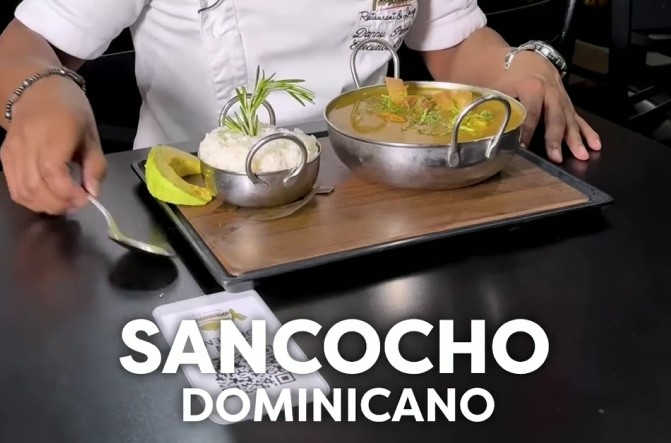
As explained by Danny Peñalo, Dominican Chef at Yarumba Dominican Restaurant in Miami, Sancocho is more than a meal — it’s a story passed down through generations, one that blends Dominican identity, history, and flavor in every spoonful.
A Colonial Legacy with African and Spanish Roots
The origins of Sancocho trace back to the Spanish colonizers, who brought similar stews to the Caribbean as early as the 16th century. These “olla podrida”-style stews included meats, legumes, and vegetables cooked slowly over fire — a method well-suited for communal meals.
In the Dominican Republic, the dish evolved over time as African and Taíno influences merged with Spanish techniques. African slaves brought the use of root vegetables (yuca, malanga, yam), tropical spices, and cooking traditions that emphasized depth of flavor and slow cooking.
The result was the Dominican Sancocho: a complex stew made with various meats, native root crops, plantains, and traditional herbs — a dish built on resilience and creativity.
The National Dish of Togetherness
Today, Sancocho is widely considered the national dish of the Dominican Republic. It represents community, family, and cultural pride. It’s commonly served during holidays, weddings, or rainy days — any occasion where comfort food and connection are needed.
Danny Peñalo describes Sancocho as “a culinary hug from our ancestors,” and his version, served at Yarumba in Miami, is a customer favorite. Prepared with four meats (beef ribs, pork shoulder, smoked pork chop, and hen), his Sancocho respects traditional methods while achieving a modern, balanced flavor profile that reflects the dish’s evolution.
Regional Variations of Dominican Sancocho
There’s no one-size-fits-all recipe for Sancocho in the Dominican Republic. In fact, there are multiple versions, each unique to a region or occasion:
-
Sancocho de Siete Carnes – The most festive version, traditionally reserved for big celebrations, includes seven types of meat.
-
Sancocho de Habichuelas Rojas – A Northern Dominican twist that incorporates red beans for added depth and color.
-
Sancocho Blanco – A lighter version, often made with chicken and fewer root vegetables.
-
Sancocho Campesino – Rural families often make simpler versions using whatever ingredients are available locally.
Danny Penalo has explored all these varieties throughout his career, and many are featured at cultural events in South Florida, including Broward County, where he frequently represents Dominican culinary traditions.
Ver esta publicación en Instagram
Sancocho Today: Heritage Served Hot
Beyond its taste, Sancocho tells a powerful story of resilience, resourcefulness, and cultural fusion. It reminds Dominicans — and the world — of the richness of Caribbean history and the influence of African, Spanish, and Indigenous traditions on what we eat today.
Thanks to chefs like Danny Penalo, who continue to elevate Dominican food in the U.S., especially in cities like Miami and nearby Broward County, dishes like Sancocho are now celebrated globally.
So next time you sit down to a bowl of this savory stew, remember — you’re not just eating a Dominican classic. You’re tasting centuries of flavor, family, and history.
Try Chef Danny Peñalo’s Sancocho
Visit Yarumba Dominican Restaurant in Miami to enjoy Danny Peñalo’s signature four-meat Sancocho, made fresh daily and served with white rice and avocado.